

Best Cycling Gloves: How to Choose the Right Pair
Introduction
Choosing the right cycling gloves can make a noticeable difference to comfort, grip and protection on the bike. The best pair for you will depend on how and where you ride, the weather you normally encounter, and whether you prioritise features such as padding, breathability, protection or water resistance.
Cycling gloves are available in a wide range of designs, from lightweight gloves for road cycling and everyday rides to more protective options suited to mountain biking and year-round use. Getting the fit right is also important, as gloves that are too tight can become uncomfortable while loose-fitting gloves may affect grip and control.
In this guide, we look at two cycling gloves from Altura that offer different combinations of features and protection. The All Roads Adapt Gloves (£35) are lightweight gloves with minimal palm padding and a retractable water-resistant cover, while the Esker Trail Gloves (£30) use a Kevlar-mix fabric across the knuckles and a breathable Amara palm for added protection and grip.
We also explain the main features to consider when choosing cycling gloves, including fit, padding, grip, protection, breathability and weather resistance, so you can decide which type is most appropriate for your own riding.
Recommended Cycling Gloves
The right cycling gloves depend on the type of riding you do and the features that matter most to you. For this guide, we have looked at two Altura cycling gloves with different approaches to comfort, protection and weather resistance.
Altura All Roads Adapt Gloves
The Altura All Roads Adapt Gloves are lightweight cycling gloves designed for riders who want a combination of comfort, grip and some protection from changing weather conditions. They cost £35 and are available in sizes XS to 2XL.
One of the most useful features is the retractable water-resistant outer cover. The cover can be pulled over the fingers when additional protection from rain and cooler conditions is needed, then tucked away when it is not required. This makes the gloves particularly interesting for riders who regularly encounter changeable weather.
The gloves use an Amara palm with minimal padding, while silicone printing on the brake fingers is intended to provide additional grip. Reflective detailing is also included for improved visibility.
The minimal padding means these are not designed primarily as heavily padded cycling gloves. Instead, they offer a relatively lightweight option for riders who prefer to maintain a good feel through the handlebars while still having the option of additional weather protection.
Who might they suit?
The All Roads Adapt Gloves could be worth considering if you want lightweight gloves for road riding, commuting, touring or general cycling and like the idea of having a water-resistant finger cover available when conditions change.
A potential drawback
The retractable finger cover is a useful feature, but customer feedback indicates that it can affect access to the controls on some road bikes. One reviewer found that the cover could make changing gear more difficult because the index and middle fingers were held together. This is individual customer feedback rather than a manufacturer specification, but it is worth considering if you ride a road bike and regularly change gear from the brake/shift levers.
Overall, the All Roads Adapt is an adaptable option for riders who value low weight, grip and the flexibility of having additional weather protection when needed.
Altura Esker Trail Gloves
The Altura Esker Trail Gloves are designed with more emphasis on protection and durability while remaining lightweight. They cost £30 and are available in sizes XS to 2XL.
A key feature is the Kevlar-mix fabric across the knuckle area, which provides additional protection against scuffs. The gloves also have a perforated Amara palm intended to improve breathability, together with silicone printing on the brake fingers for grip.
An adjustable cuff allows the fit around the wrist to be altered, while the minimal padding keeps the gloves relatively lightweight. Altura describes the Esker as suitable for year-round riding.
Who might they suit?
The Esker Trail Gloves may be particularly suitable for mountain biking, trail riding and other types of cycling where additional protection around the knuckles is useful. They could also appeal to riders looking for a durable everyday glove rather than a heavily padded design.
Something to consider about sizing
Customer feedback on the Esker Trail Gloves includes comments that the gloves can come up small. Two reviewers reported sizing concerns, with one recommending going up by one or two sizes.
This is customer feedback rather than a confirmed sizing rule, so riders should check the available size information carefully before ordering. If you are between sizes, it may be worth paying particular attention to the measurements provided by the manufacturer.
Overall, the Esker Trail offers a different balance from the All Roads Adapt: it focuses more on knuckle protection and durability while retaining a lightweight design and breathable palm.
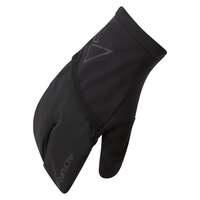
All Roads Adapt Gloves | 2XL | Altura
The Altura All Roads Adapt Unisex Cycling Gloves provide comfort in a lightweight fabric with the added benefit of a water resistant retractable outer cover, which tucks away neatly on the back ha…
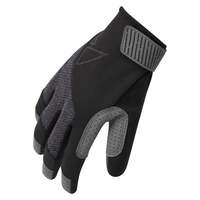
Esker Trail Gloves Black | 2XL | Altura
The Altura Esker Unisex Cycling Glove is lightweight but tough and was developed with year-round riding in mind. A Kevlar mix fabric across the knuckle area offers protection from scuffs where it …
At a Glance
The two gloves have different strengths. The All Roads Adapt Gloves are the more weather-focused option, with their retractable water-resistant cover, while the Esker Trail Gloves put greater emphasis on knuckle protection and durability.
At £35, the All Roads Adapt costs £5 more than the £30 Esker Trail. However, price alone does not determine which is the better choice. The more suitable glove will depend on your type of riding, the conditions you normally encounter and the level of protection and weather resistance you want.
What to Look For in Cycling Gloves
There is no single type of cycling glove that is right for every rider. Road cyclists, commuters, mountain bikers and leisure riders can have quite different requirements. Before choosing a pair, consider how you normally ride and the conditions you are likely to encounter.
Fit and Comfort
Cycling gloves should fit securely without restricting movement or causing uncomfortable pressure. A glove that is too loose can move around while riding and may affect grip, while one that is too tight can become uncomfortable during longer rides.
Check the manufacturer’s sizing information before ordering, particularly when buying online. If customer reviews regularly mention that a particular model runs small or large, this can also be useful information to take into account.
The cuff should sit comfortably around the wrist without being excessively tight. An adjustable cuff can make it easier to achieve a secure fit.
Padding
Padding can help reduce pressure and vibration through the palms, but more padding is not necessarily better.
Riders who spend long periods on the bike may appreciate additional palm cushioning, while others prefer minimal padding because it provides a more direct feel through the handlebars.
Think about the type of riding you do, the handlebars you use and how comfortable your hands normally feel after a ride before deciding how much padding you need.
Grip and Control
A good pair of cycling gloves should provide a secure grip on the handlebars. Materials such as Amara or synthetic leather are commonly used on palms, while silicone detailing can be used in areas where additional grip is helpful.
This is particularly important when riding in wet conditions or when you need to operate brake and gear controls quickly.
However, additional features should not interfere with your ability to operate the controls. If a glove has a removable or retractable cover, check that it will not restrict finger movement when you are changing gear or braking.
Protection
The amount of protection required depends heavily on the type of cycling you do.
For general road riding, a lightweight glove may provide sufficient protection from abrasion and minor knocks. Mountain biking and trail riding can involve greater exposure to branches, vegetation and falls, so features such as reinforced knuckles may be more important.
The Altura Esker Trail Gloves, for example, use a Kevlar-mix fabric across the knuckle area, providing more emphasis on protection than a simple lightweight road glove.
Weather Resistance and Breathability
Weather conditions are another important consideration when choosing cycling gloves.
Water-resistant materials or covers can be useful when riding in light rain or changeable conditions. However, water resistance is not necessarily the same as being fully waterproof, so check the manufacturer’s specifications carefully.
Breathability is also important, particularly during warmer rides. Perforated or breathable palm materials can help reduce heat and moisture build-up inside the gloves.
If you regularly ride throughout the year, you may find that having different gloves for warmer and colder conditions is more practical than expecting one pair to perform perfectly in every season.
Finger Length
Cycling gloves are available in different designs, including full-finger and fingerless styles.
Fingerless gloves can provide ventilation and freedom around the fingers during warmer weather, while full-finger gloves offer greater coverage and can be more appropriate for cooler conditions, mountain biking or riders who want additional protection.
Consider whether finger coverage will affect your ability to operate your bike’s controls comfortably.
Materials and Durability
The materials used in a cycling glove can affect comfort, grip, breathability and durability.
Look for construction that matches the demands of your riding. A lightweight glove intended for occasional road rides does not necessarily need the same level of reinforcement as a glove intended for regular trail riding.
Also consider how easy the gloves are likely to be to maintain. Cycling gloves can become sweaty or dirty during normal use, so being able to clean them according to the manufacturer’s instructions is useful for maintaining comfort and extending their life.
Think About How You Ride
The most important consideration is how the gloves fit into your own riding.
For example:
- Road cycling: prioritise a secure fit, good grip and a comfortable level of padding without restricting access to brake and gear controls.
- Mountain biking and trail riding: additional protection, durability and full-finger coverage may be more important.
- Commuting: weather resistance, visibility and versatility can be useful, particularly if you ride in changing conditions.
- Leisure and general cycling: comfort, fit and value may be more important than specialist protection features.
Taking these factors into account should make it easier to narrow down the available choices and select cycling gloves that suit your particular needs.
Which Cycling Gloves Are Right for You?
The best cycling gloves for you will depend on your riding rather than simply which product has the highest specification. The two Altura gloves featured in this guide are designed with different priorities in mind, so your usual riding conditions can help determine which is the better match.
Choose the All Roads Adapt if Weather Versatility Matters
The Altura All Roads Adapt Gloves are the more versatile choice if you regularly ride in changeable weather.
Their main distinguishing feature is the retractable water-resistant outer cover, which can be pulled over the fingers when additional protection is useful and tucked away when it is not. This could be particularly useful for commuting, touring or general cycling in conditions where the weather can change during a ride.
They also use an Amara palm with minimal padding and silicone detailing on the brake fingers, making them a relatively lightweight option for riders who do not want heavily padded gloves.
Consider the All Roads Adapt if you:
- regularly ride in changeable weather;
- want a water-resistant finger cover;
- prefer lightweight gloves with minimal palm padding;
- want reflective detailing;
- mainly use your gloves for road riding, commuting or general cycling.
Choose the Esker Trail if Protection Is a Priority
The Altura Esker Trail Gloves put more emphasis on protection and durability.
Their Kevlar-mix knuckle fabric provides additional coverage around an area that can be exposed during trail riding, while the Amara palm and silicone brake-finger detailing provide grip. The gloves are also designed with a breathable palm and adjustable cuff.
This combination may make the Esker Trail more appealing to mountain bikers, trail riders and cyclists who want a more protective full-finger glove.
Consider the Esker Trail if you:
- regularly ride trails or off-road;
- want additional knuckle protection;
- prefer a durable full-finger glove;
- value a breathable palm;
- want an adjustable cuff;
- are looking for a lower-priced option than the All Roads Adapt.
What About Price?
At the prices considered in this guide, the Esker Trail Gloves cost £30, while the All Roads Adapt Gloves cost £35.
The £5 difference is relatively small, so the decision should not necessarily be based on price alone. Instead, consider whether you are more likely to benefit from the All Roads Adapt’s retractable water-resistant cover or the Esker Trail’s additional emphasis on knuckle protection.
Prices and availability can change, so check the current product information before purchasing.
A Simple Way to Decide
If you mainly want weather versatility and a lightweight glove, the All Roads Adapt is the more obvious option.
If you mainly want knuckle protection and a durable trail-oriented glove, the Esker Trail is likely to be the more appropriate choice.
If neither description matches your riding exactly, use the buying guide above to identify the features that matter most to you rather than choosing purely on price or appearance.
Comparing Cycling Glove Prices
Price is an important part of choosing cycling gloves, but the cheapest option is not necessarily the best value for every rider. Features such as weather resistance, protection, materials, durability and fit can all affect how useful a pair of gloves will be.
For the two Altura gloves considered in this guide, the Esker Trail Gloves cost £30, while the All Roads Adapt Gloves cost £35 at the time of writing.
The £5 difference is relatively small, but the gloves offer different features. The Esker Trail places greater emphasis on knuckle protection, durability and a breathable palm, while the All Roads Adapt adds a retractable water-resistant cover and reflective detailing.
This means that the better value option depends on which features you are most likely to use. Paying an additional £5 for the All Roads Adapt may make sense for a rider who regularly encounters changing weather, whereas a trail rider who prioritises additional knuckle protection may prefer the Esker Trail.
Don’t Compare Price Alone
When comparing cycling gloves, consider the following alongside the purchase price:
- Features: Are you paying for features that you will actually use?
- Materials: Are the materials appropriate for the type of riding you do?
- Protection: Does the level of protection match your riding conditions?
- Comfort: Is the design likely to remain comfortable during your typical rides?
- Durability: Could a more robust pair last longer with regular use?
- Fit: Does the manufacturer’s sizing information give you confidence that the gloves will fit correctly?
Also remember that online prices and availability can change. Always check the current price, available sizes and product information before purchasing.
What to Check Before Buying
Before ordering cycling gloves online, it is worth checking the latest product information rather than relying solely on the information in a buying guide.
Check the Size
Use the manufacturer’s current sizing information and compare it with your measurements where available. This is particularly important with cycling gloves because a poor fit can affect comfort and grip.
Customer reviews can provide additional insight into sizing, but individual experiences can vary. For example, some customer feedback on the Altura Esker Trail Gloves suggests that they may feel small, so riders should pay particular attention to the sizing information before ordering.
Check the Current Price
The prices quoted in this guide are based on the product information available when the article was prepared. Online prices can change, so check the current price before purchasing.
The same applies to promotional offers. A temporary discount may make a product appear significantly better value at one point than another.
Check Availability
Check that your preferred size and colour are currently available before completing your order. Product availability can change, particularly for popular sizes.
Check the Returns Policy
It is also worth checking the retailer’s current returns policy before ordering clothing online. This can be particularly useful when buying gloves for the first time from a particular brand, as getting the right fit is important.
Check the Product Specifications
Finally, check the manufacturer’s latest specifications for the features that matter most to you. For example, if you are specifically looking for weather-resistant gloves, make sure you understand whether the product is described as water-resistant or waterproof.
Taking a few moments to check these details can help avoid choosing a pair of gloves based on an outdated price, unavailable size or a feature that does not match your requirements.
Frequently Asked Questions About Cycling Gloves
Do I need cycling gloves for road cycling?
Cycling gloves are not essential for every rider, but many people wear them for additional comfort, grip and protection. A suitable pair can help protect the palms in the event of a fall and may also reduce discomfort from pressure and vibration through the handlebars.
The amount of padding and protection you need will depend on your riding style and personal preference. Road cyclists who prefer a lightweight feel may favour gloves with minimal padding.
Should cycling gloves be tight or loose?
Cycling gloves should fit securely without being uncomfortably tight. They should stay in position while you ride without restricting finger movement or causing excessive pressure.
A glove that is too loose may move around and affect grip, while one that is too tight can become uncomfortable during longer rides. Always check the manufacturer’s sizing information before ordering.
Are padded cycling gloves better?
Not necessarily. Padding can help reduce pressure and vibration through the palms, but some riders prefer minimal padding because it gives them a more direct feel through the handlebars.
The best level of padding depends on your riding style, the handlebars you use and your personal comfort preferences.
Are cycling gloves waterproof?
Not all cycling gloves are waterproof. Some use water-resistant materials or covers that provide protection from light rain and changing weather, while others are primarily designed for breathability and comfort.
If keeping your hands dry is important, check the manufacturer’s specifications carefully and distinguish between water-resistant and waterproof claims.
For example, the Altura All Roads Adapt Gloves featured in this guide have a retractable water-resistant outer cover. This should not automatically be interpreted as meaning that the gloves are fully waterproof.
Are full-finger cycling gloves better for mountain biking?
Full-finger gloves can be a useful choice for mountain biking because they provide greater coverage around the fingers and hands. They can also offer additional protection from branches, vegetation and minor impacts.
However, the most suitable gloves will depend on the type of trails you ride and the conditions you encounter. Features such as knuckle protection, grip, durability and breathability may all be worth considering.
Which is better, the Altura All Roads Adapt or Esker Trail Gloves?
Neither is automatically better for every rider because the two gloves have different strengths.
The All Roads Adapt Gloves are particularly interesting if you want lightweight gloves with minimal padding and a retractable water-resistant cover for changeable weather.
The Esker Trail Gloves put more emphasis on protection, with Kevlar-mix fabric across the knuckles, and may be more suitable for mountain biking and trail riding.
Your choice should therefore depend on the type of riding you do and the features you are most likely to use.
How should I choose the right size cycling gloves?
Start with the manufacturer’s current sizing guide and compare the measurements with your own where possible. The gloves should fit securely without restricting movement.
It can also be useful to read recent customer reviews for comments about sizing, but these should be treated as individual experiences rather than a guarantee that a product will fit everyone in the same way.
If you are buying online, checking the retailer’s current returns policy is also worthwhile in case the fit is not right.
Conclusion
Choosing the right cycling gloves is ultimately about finding the features that match the way you ride. Fit, grip, comfort and protection are important considerations, but factors such as weather resistance, breathability and durability can also make a difference depending on your riding conditions.
The two Altura gloves considered in this guide take different approaches. The All Roads Adapt Gloves offer a lightweight design with minimal padding and a retractable water-resistant cover, making them an interesting option for riders who want additional versatility in changeable weather.
The Esker Trail Gloves place greater emphasis on protection and durability, with Kevlar-mix fabric across the knuckles and a breathable Amara palm. They may therefore appeal more to mountain bikers, trail riders and others who want additional coverage.
Neither option is automatically the right choice for every cyclist. The best approach is to consider your usual riding conditions, the level of protection you need, the amount of padding you prefer and how important weather resistance is to you.
Before buying, check the latest price, available sizes, product specifications and returns policy. These details can change over time, and getting the right fit is particularly important with cycling gloves.